8 Days

Kathmandu Valley Newari Cultural Immersion

Trip Overview

This 8-day Newari cultural immersion is designed for travelers who want a deep, leisurely, and practical exploration of Newar life, architecture, festivals, cuisine, and living traditions within and just beyond the Kathmandu Valley. The route keeps logistics efficient while maximizing time in authentic settlements: you’ll move through the historic heart of Kathmandu, the adjacent patrimony of Patan (Lalitpur), the medieval town of Bhaktapur and its surrounding vernacular settlements, then branch out to lesser-visited but culturally rich places—Panauti and Tokha—before finishing with a scenic stay in the hill town of Bandipur to absorb hill-Newar influences and panoramic Himalayan views. The program balances ritual experiences (temple visits, evening koras, local jatras when available), hands-on workshops (Newari cooking, pottery, chaku/yomari making), and slow cultural walks through alleys, courtyards and farms so guests gain a textured, sensory understanding of Newar society rather than a checklist view. Logistics are arranged to avoid excessive back-and-forth on Kathmandu’s narrow streets; most drives are short (30–90 minutes), except the Bandipur transfer which is a longer but scenic road journey. Estimated driving distances: Panauti is about 30–40 km / 1–2 hours approx. from central Kathmandu depending on traffic; Bandipur is approx 140–150 km and typically 3–5 hours by car depending on road and traffic conditions.

grazing

Kathmandu Valley Newari Cultural Immersion Highlights

REGION
Kathmandu
  •     
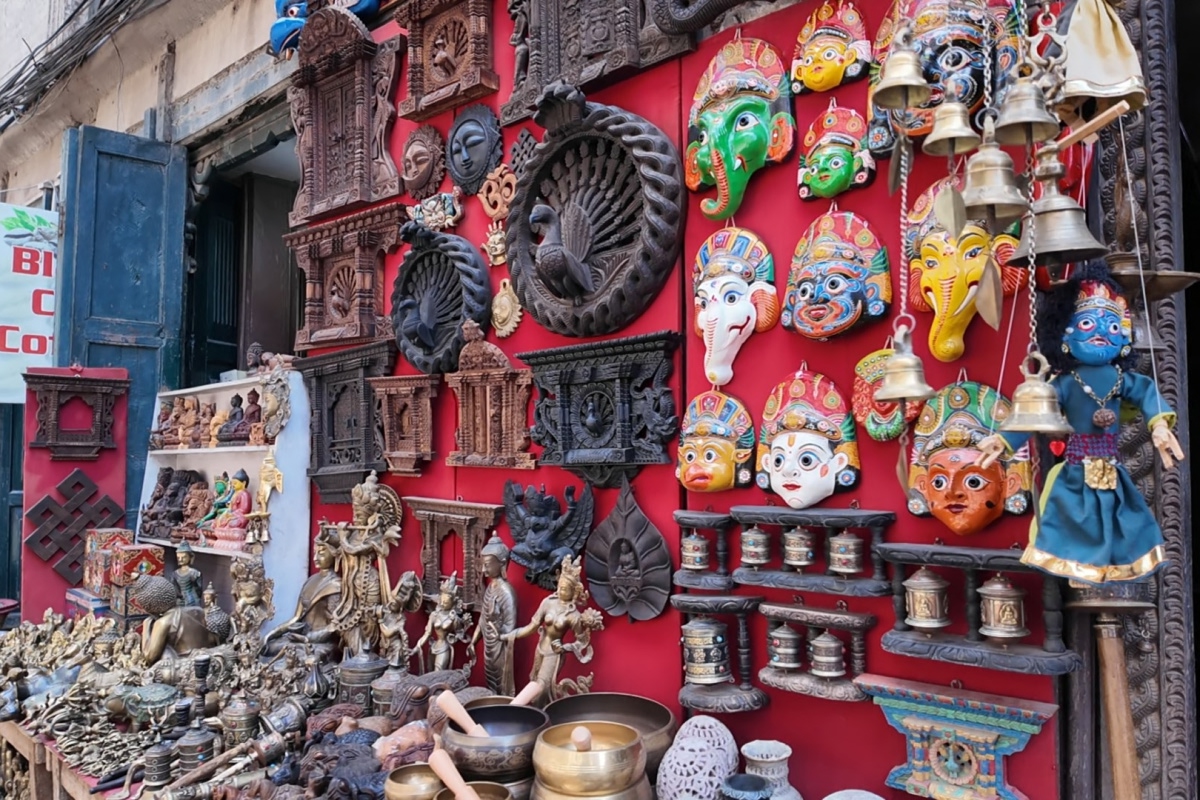
    Deep, hands-on engagement with Newari artisans (metal-casting, paubha painting, pottery)

        
    Visits to living, vernacular settlements often missed by mainstream tours (Bungmati, Khokana, Panauti, Tokha, Kirtipur)

        
    Authentic home-hosted meals and workshop experiences that support local family incomes

        
    A scenic hill-town stay in Bandipur to compare valley and hill Newar cultural expressions

        
    Slow pacing, emphasis on ritual calendars, jatra contexts and sensory learning (food, sound, scent)

Itinerary

Day 1Arrival & Soft Introduction to Kathmandu’s Living Heritage
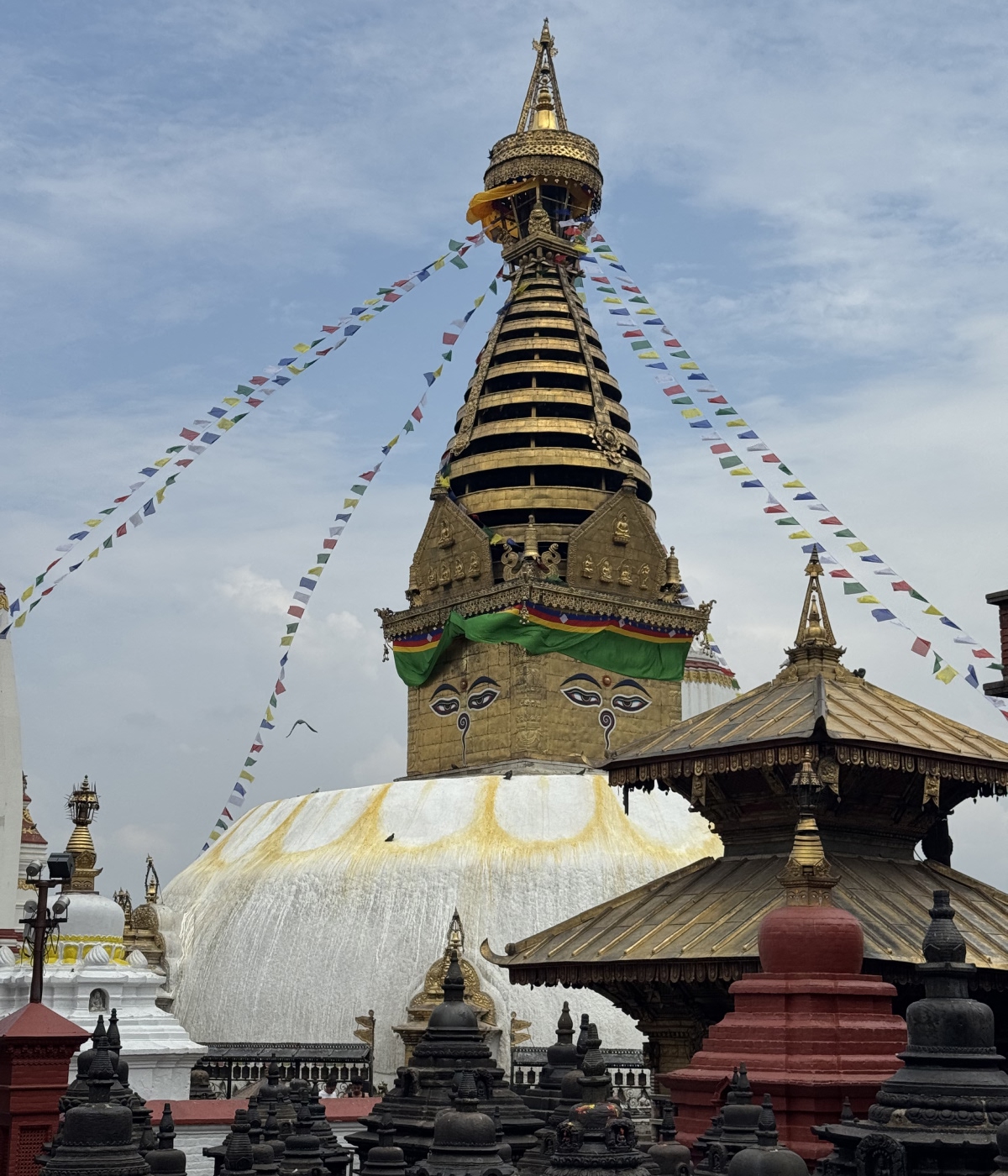
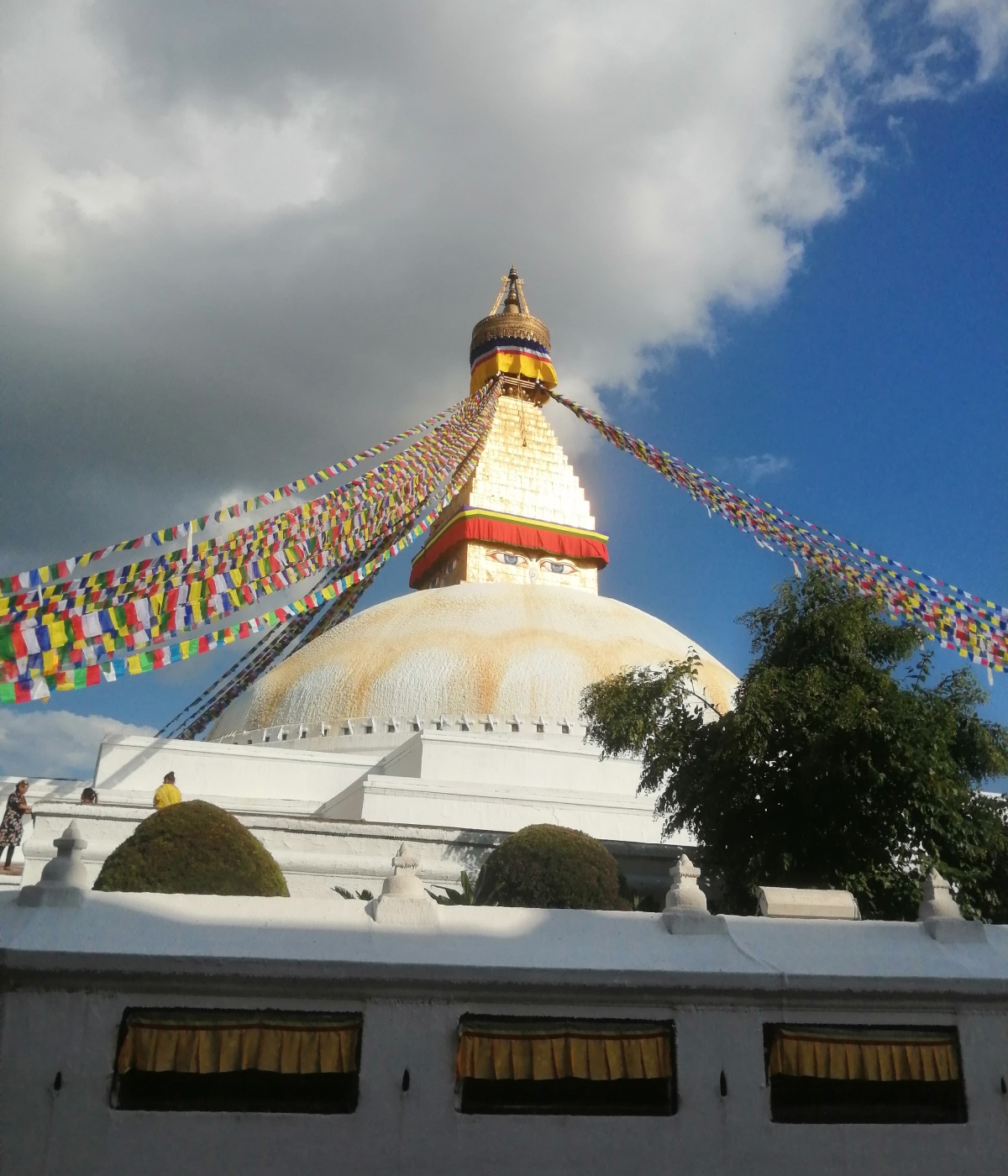
You arrive in Kathmandu and are met at Tribhuvan International Airport; after check-in and a brief rest, the day begins gently with a late-afternoon visit to the Pashupatinath precinct where you will observe evening aarti/puja on the Bagmati River and see how life and death, devotion and daily commerce are woven together in an uncompromising urban religious landscape. After the aarti, a short drive brings you to the Boudhanath stupa for your first evening kora among saffron-robed monks and the glow of butter lamps; here your guide will explain the stupa’s symbolism, the role of Tibetan monasteries in the neighborhood, and how Newar Buddhist practices intersect with Vajrayana and Tibetan traditions in Kathmandu. The paragraph of the day emphasizes orientation explaining Newar calendrical rhythms, basic etiquette in courtyards and temples, and a short walk through a nearby Newar neighborhood where you’ll taste your first yomari or chaku (a sweet made from jaggery) and meet an artisan who briefly demonstrates wood carving or paubha painting. This soft first day prepares you for the more intensive village explorations ahead.
Day 2Patan (Lalitpur): Palaces, Patios and the Living Arts
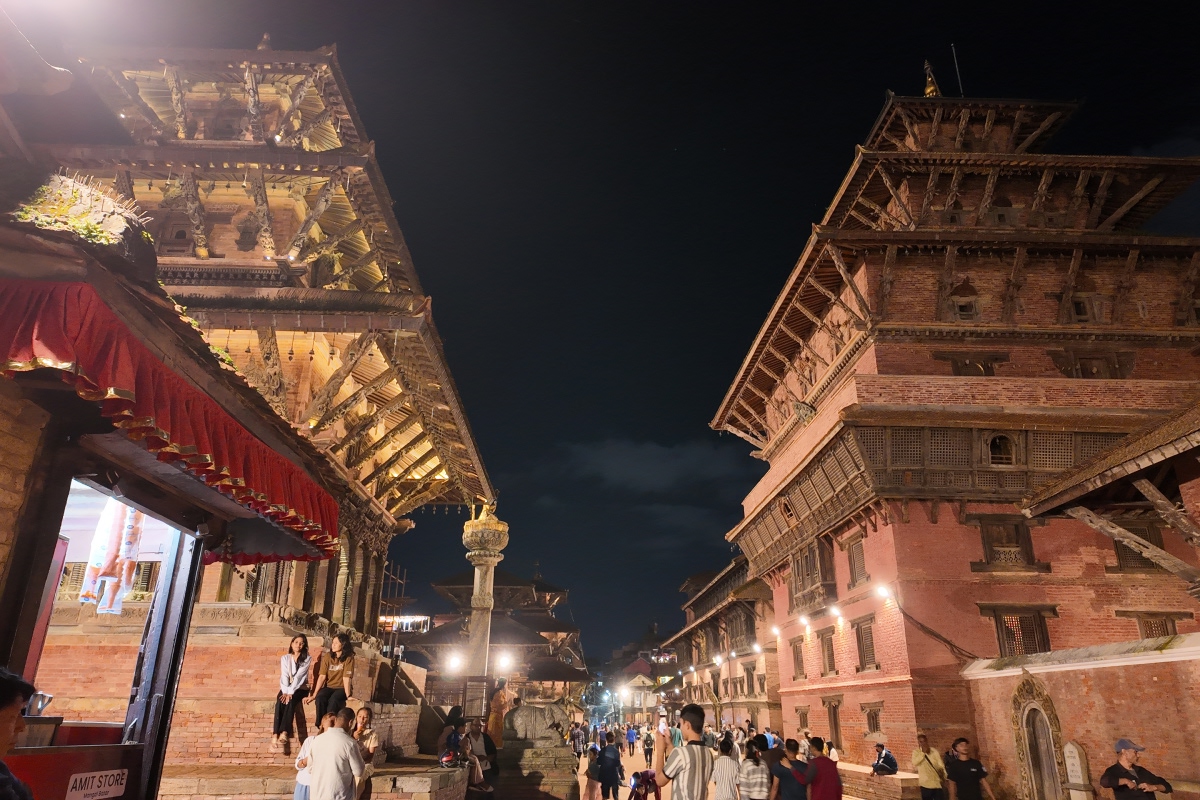
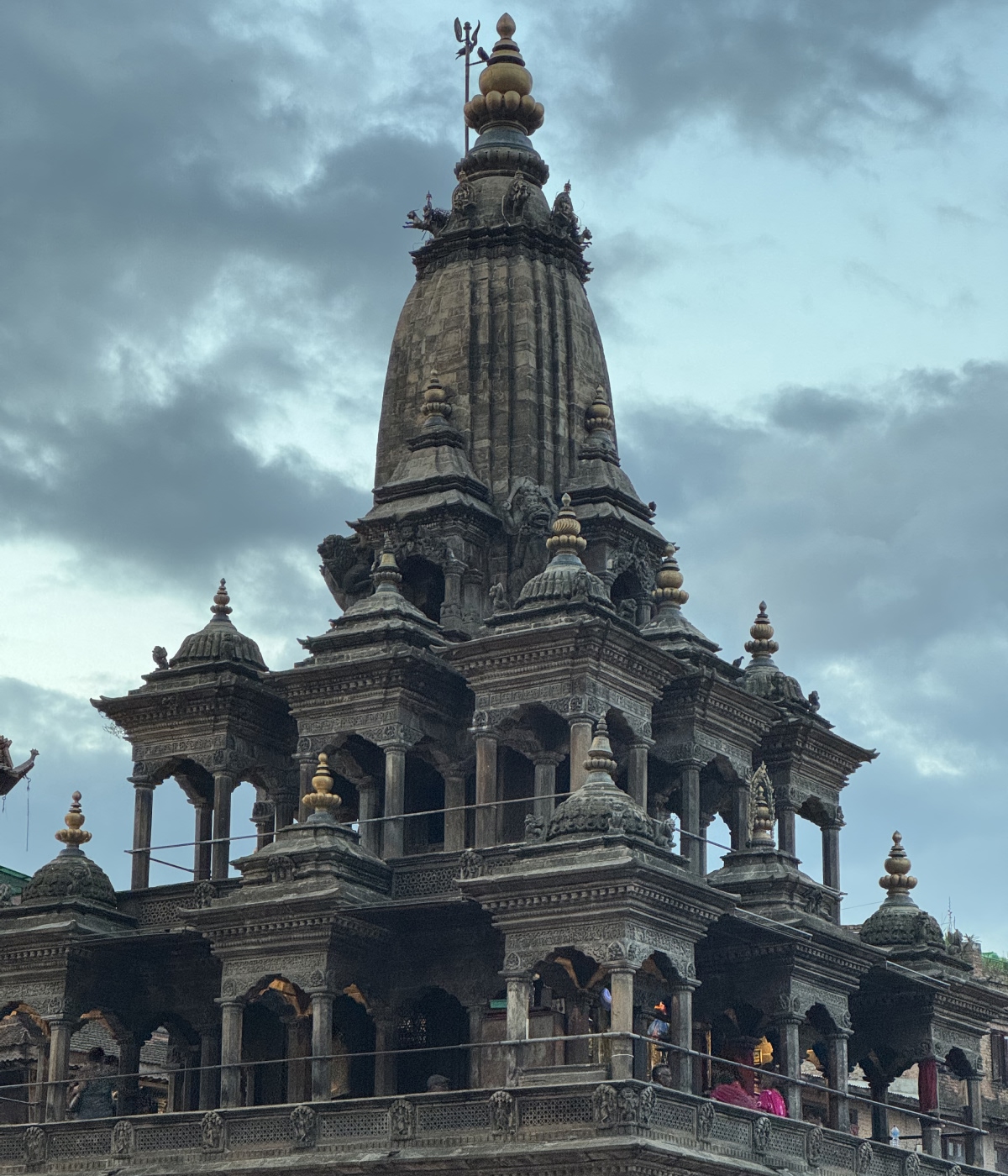
From your Kathmandu base you take a short drive into Patan (Lalitpur), historically the valley’s artisan capital. Today is entirely devoted to Patan’s durbar square, its royal courtyards, and the dense network of metal- and wood-workers’ workshops that still operate from the same alleys where kings once held court. The day’s long paragraph describes a slow walking loop that visits Krishna Mandir, the Patan Museum (with a curator’s talk if available), and a guided courtyard tour that reveals how houses are organized around shared kitchens and shrines. You’ll spend extended time with a traditional metal-mithila family who demonstrate lost-wax casting of ritual bronzes and a paubha painter who will show pigments and iconographic rules; the experience includes a workshop segment where you try a simple repoussé or paint a small motif under the artisan’s supervision. Meals are Newari sukuwa, bara, and local dhalbhat with seasonal greens served in a family home or well-selected local restaurant, and the evening paragraph describes a relaxed stroll to Tokha (if time permits) to visit Tokha’s historic lanes and ancient shrines, or return to Kathmandu with notes on local transport and timing. Tokha’s deep history and living traditions will be introduced, with context on its role as an ancient town within the Kathmandu District
Day 3Bungmati & Khokana: Vernacular Villages, Mustard Oil, and Jatras
Today is devoted to two of the valley’s most intact vernacular Newari settlements: Bungmati and Khokana. The day paragraph paints a full sensory walk: early morning arrival in Bungmati where you thread through lanes lined with mud-plastered houses, visit the red pagoda of the Bunga Hiti water spout system, and speak with women who preserve traditional weaving and paubha motifs. After a leisurely village lunch, you move to Khokana a living museum of mustard-oil production and agrarian Newari life where you’ll visit centuries-old mustard presses and meet families preserving the oil-pressing techniques and the ritual calendar attached to mustard and the mustard harvest. The guide explains Khokana’s nomination as a vernacular candidate for UNESCO recognition and points out ritual cycles like the mustard-oil festival and other local jatras (processions), if these coincide with your dates. Expect a hands-on segment making small mustard-oil lamps or learning to press mustard seeds in a demonstration (non-commercial) and a late-afternoon walk through terraced fields that frame the village. This day is paced to let you linger in courtyards, talk to elders and participate in a cooking demonstration of Newari seasonal recipes.
Day 4Bhaktapur Deep Dive: Pottery Square & Evening Cultural Performance
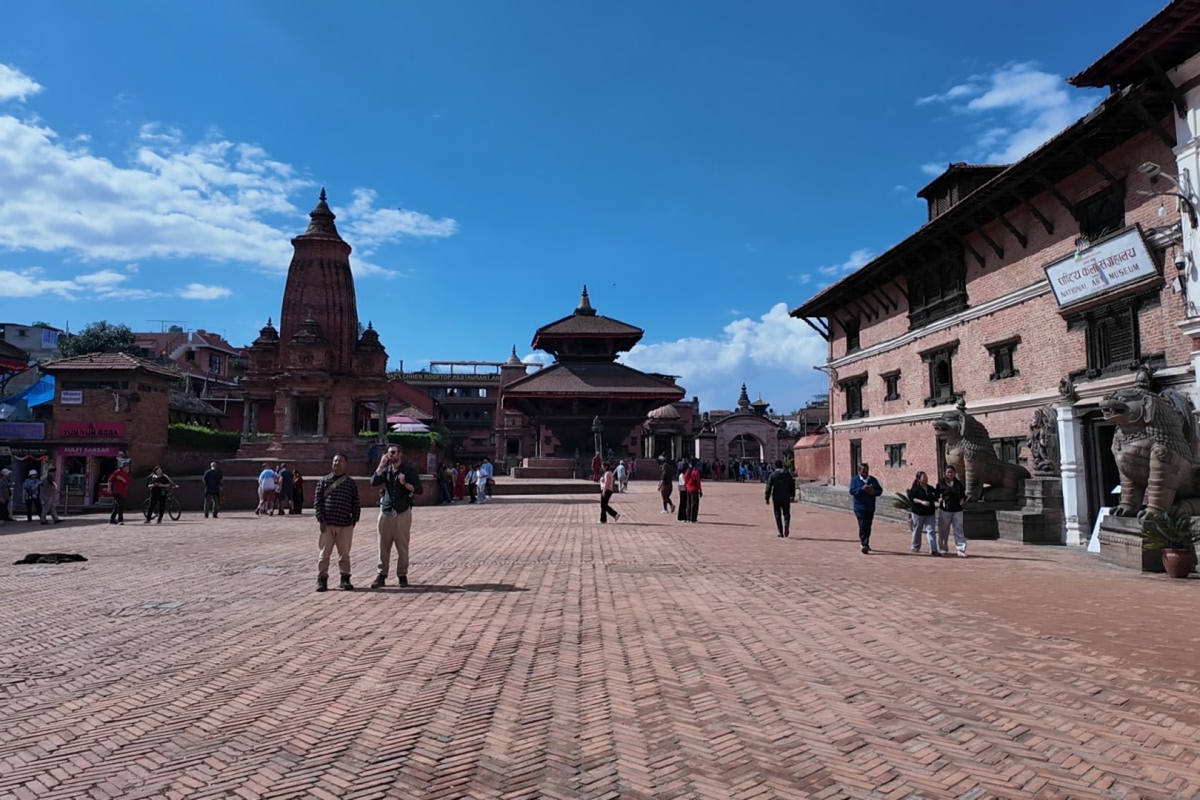
Bhaktapur takes the morning and early afternoon: the day paragraph traces a slow walking kora of Bhaktapur Durbar Square the 55-window palace, Dattatreya temple, Nyatapola, and the potters’ quarter. The itinerary emphasizes attending a pottery demonstration where a master potter explains clay sourcing, traditional motifs, and the social role of pottery in Newar rituals; you get the chance to shape a small piece on the wheel. Lunch is a locally curated Newari spread in a traditional courtyard house. The afternoon includes visits to lesser-known neighborhoods of Bhaktapur where we examine community cisterns (hiti), medieval water management and house typologies. As dusk falls there is an optional cultural performance (classical Newar music/dance) or a guided evening kora that illuminates the piazzas and shrines by lamp light these slow, reflective moments help you understand the rhythm of village religious life. The paragraph also notes short drives/taxi times within the town and advice about comfortable footwear and shade.
Day 5Panauti: Confluences, Myths and Riverside Rituals
This day takes you outside the congested valley floor to the quieter historic town of Panauti. The full day paragraph describes the drive (approximately 30–75 minutes depending on route and traffic) and frames Panauti as a convergence town where river confluences, ancient temples, and mythic narratives intersect. You arrive to walk the town’s stone streets, visit Indreshwor Mahadev and other small shrines, and meet local scholars or a municipality cultural officer (where possible) who explain Panauti’s medieval role as a trading node and its unique festivals—especially those tied to the rivers that meet nearby. There’s time for a riverside picnic of locally procured seasonal fare and a visit to the nearby historic neighborhoods where conserved Newar houses and carved windows remain intact. The paragraph includes practical notes on timing (best done in the morning to avoid heat and afternoon traffic) and suggests the option of a short riverside hike to scenic vantage points that give views back to the valley. (Panauti’s distance from central Kathmandu is roughly 30–40 km; travel time varies from about one to two hours depending on traffic and route).
Day 6Hands-On Newari Cultural Workshops, Community Visit in Kirtipur & Tokha Village Evening
Day six is intentionally slow and pedagogical: the long paragraph details morning workshops (Newari cooking class focused on yomari and chaku, traditional paan wrapping and Newari pickle making) set in a Kirtipur courtyard where elders explain caste-based craft histories and the meanings behind festival menus. After lunch, a walking tour of Kirtipur’s hilltop lanes and temples shows why the town has long been a seat of Newar resistance and identity; you will visit local potters and woodworkers and see how the town integrates old rites with contemporary civic life. Late afternoon transfer to Tokha (if not visited earlier) provides an opportunity to experience Tokha’s living architecture and dynastic stories; the evening paragraph narrates an invitation to a Tokha family home for a communal photo-documentary-style evening where elders recount oral histories, songs, and seasonal farming practices. This day is focused on reciprocity guests learn through doing and listening, and small workshop fees support local family economies.
Day 7Transfer to Bandipur: Hill Newar Culture and Panoramic Himalayan Views
On day seven you take the scenic road transfer to Bandipur (approx. 3–5 hours depending on traffic and road conditions) where the program’s tone shifts to hill-town life and striking mountain vistas. The day paragraph describes the route, noting scenic stops for photos and short walks, arrival at a heritage hotel in Bandipur perched on a ridge, and a late-afternoon walking tour of the town’s stone streets. Bandipur’s Newari-influenced culture and Gurung/ Magar hill traditions form a layered cultural palette; you visit a local bhatti (traditional house), learn about hill agricultural terraces, and attend a community lecture on how hill towns preserved valley craft traditions while developing distinct identities. The evening includes a slow sunset from the town’s viewpoint, and the paragraph ends with a sensory menu: tajine-style local dinner, stories about mountain trade routes, and the quiet of a hill night away from valley smog. Bandipur is roughly 140–150 km from Kathmandu by road; travel times vary widely with traffic and road quality.
Day 8Return to Kathmandu & Farewell Reflection
The final day is flexible depending on departure time. The paragraph suggests a sunrise walk for panoramic Himalayan views, an unhurried breakfast with local produce, and a return drive to Kathmandu with a stop at a small viewpoint or roadside bazaar for last-minute handicrafts and cane-ware. Back in Kathmandu the program offers a short debrief in a heritage café: your guide reviews the cultural themes you encountered (ritual timekeeping, household economies, and material culture), hands you a small booklet with recommended readings/contacts for future research or craft purchases, and helps with airport transfers or onward travel arrangements. The day’s paragraph concludes with a gentle reminder about keeping the relationships you built in the villages many hosts rely on fair tourism, so follow-up purchases, reviews and small donations to community projects are encouraged.
Talk to an Expert
Rajani Kapali
Tour Manager
ENQUIRE NOW

What’s Included

Transportation & Transfers

  • right-logo
    All surface transfers listed in the itinerary, conducted in a private vehicle.
  • right-logo
    Airport pick-up and drop-off at Tribhuvan International Airport, Kathmandu.

Guides & Support Team

  • right-logo
    Licensed local guide for cultural tours, village visits, and artisan workshops (pottery, paubha painting demo, yomari & chaku making).
  • right-logo
    Professional driver for all ground transportation during the trip.

Accommodation & Meals

  • right-logo
    Hotel or guesthouse accommodation during the trip, as specified in the itinerary.
  • right-logo
    Daily breakfast included; home-hosted meals and workshop lunches as specified.

Permits & Documentation

  • right-logo
    All required entrance fees and official paperwork for scheduled village visits, cultural sites, and workshops.
  • right-logo
    Applicable government and local taxes.

Connectivity & Essentials

  • right-logo
    One local SIM card provided for use during your stay.
  • right-logo
    Bottled drinking water provided during transfers and sightseeing.

What’s Not Included

Travel and Documentation

  • cross-logo
    International airfare, airport taxes, and visa fees.
  • right-logo
    Any expenses related to flight delays, cancellations, or missed connections.

Personal Expenses

  • cross-logo
    Alcoholic and non-alcoholic beverages, camera fees, telephone calls, and laundry services.
  • right-logo
    Personal items such as snacks, souvenirs, or shopping expenses.
  • right-logo
    Tips or gratuities for guides, drivers, artisans, or other service providers.
  • right-logo
    Optional workshops or additional home-hosted meals not specified in the itinerary.

Force Majeure & Other Exclusions

  • cross-logo
    Additional costs arising from circumstances beyond the control of the company (e.g., political unrest, natural disasters, flight disruptions, or government restrictions).
  • right-logo
    Any other expenses not explicitly mentioned in the “Inclusions” section of this itinerary.