Thimphu – Punakha – Paro
(7 Nights / 8 Days)
Trip Overview
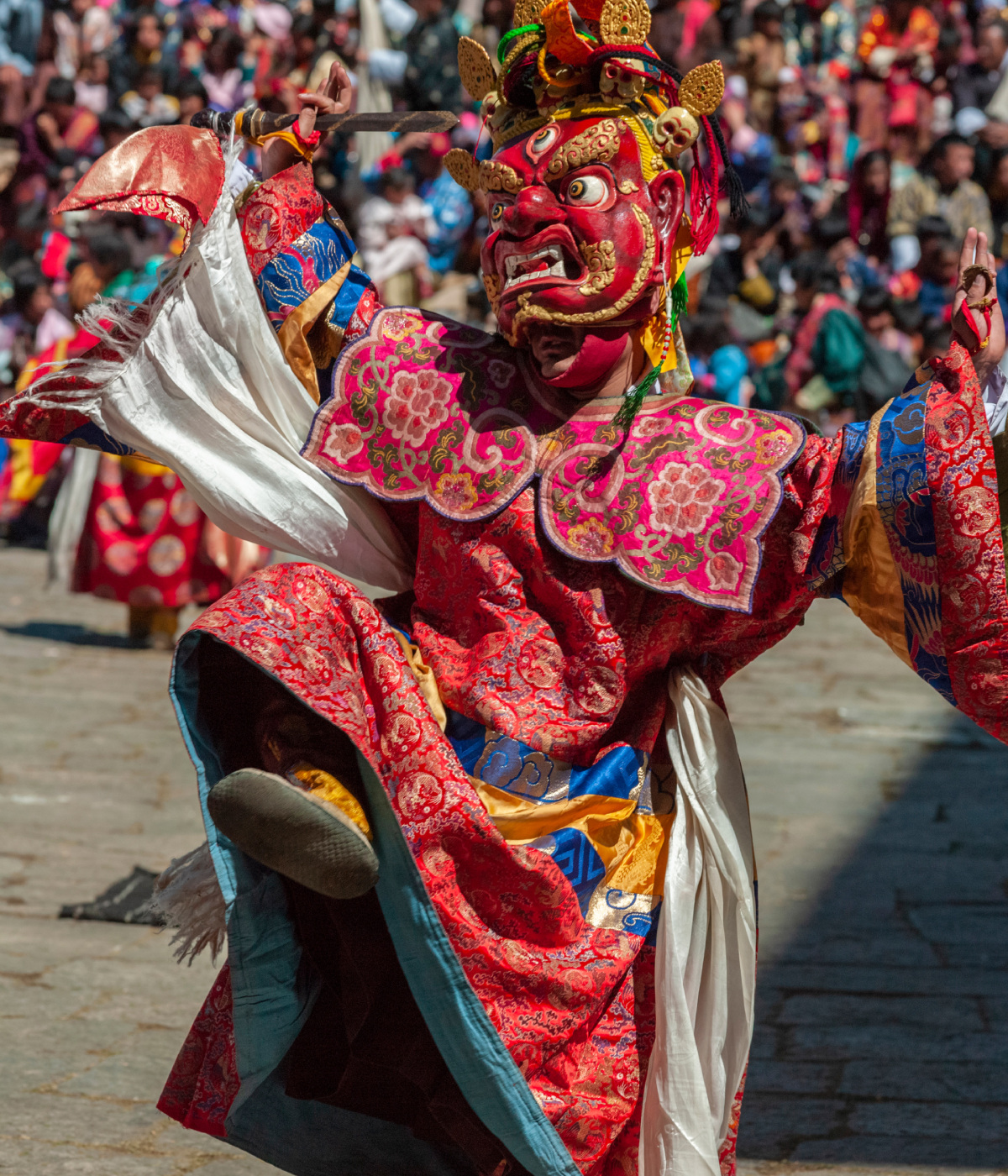
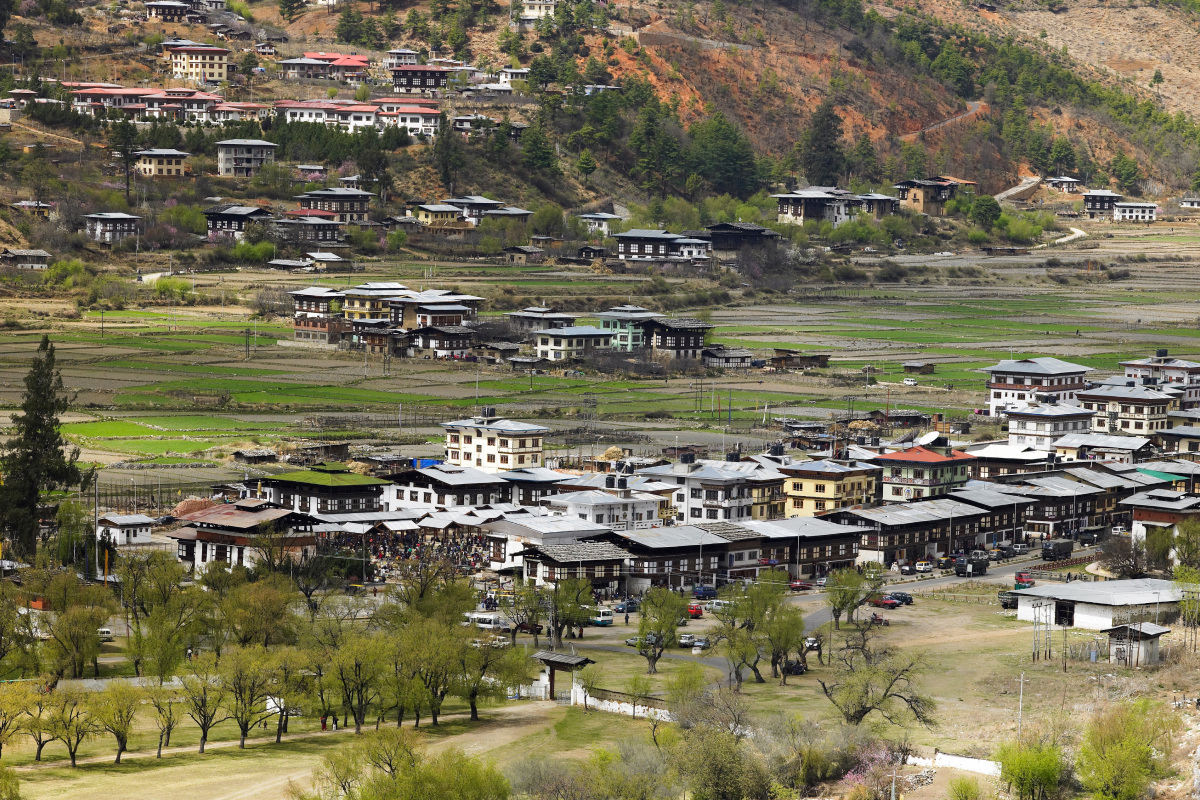
Discover the tiny Himalayan kingdom of Bhutan, a land where ancient traditions and spiritual heritage thrive amidst breathtaking natural beauty. Nestled between towering snowcapped peaks, pristine forests, and fast-flowing rivers, Bhutan has preserved its culture, environment, and monarchy for centuries. This tour offers a journey through Thimphu, Punakha, and Paro, combining iconic monasteries, Dzongs, scenic mountain passes, and local villages for a deeply immersive experience.
Travelers will explore Thimphu’s cultural landmarks, Punakha’s historic Dzongs and serene valleys, and Paro’s sacred temples and Tiger’s Nest Monastery. Interactive experiences with local artisans, monks, and rural families enrich this journey, offering insight into Bhutanese life, spirituality, and traditions.
The tiny Buddhist Kingdom of Bhutan awaits, nestled high in the Himalayas its isolation from the world has cultivated a culture rich in traditions, religion and a benevolent monarchy. The dramatic landscapes, from snowcapped peaks and deeply forested slopes to raging, boulder strewn rivers, sit largely undisturbed as the endeared environmental initiatives and religious beliefs leave the Kingdom pristine and a jewel of nature.
Thimphu – Punakha – Paro
(7 Nights / 8 Days) Highlights
- Explore Thimphu’s landmarks: Buddha Dordenma, Memorial Chorten, Trashicho Dzong, National Library, and Zorig Chosum
Cross Scenic Mountain passes such as Dochu La and Chelela Pass with panoramic views of the Himalayas
Visit Punakha Valley, including Punakha Dzong, Chhimi Lhakhang, Sangchen Dorji Lhendrup Nunnery, and picturesque villages like Talo and Nobgang
Experience monastic life and interact with monks at Nalanda Monastery
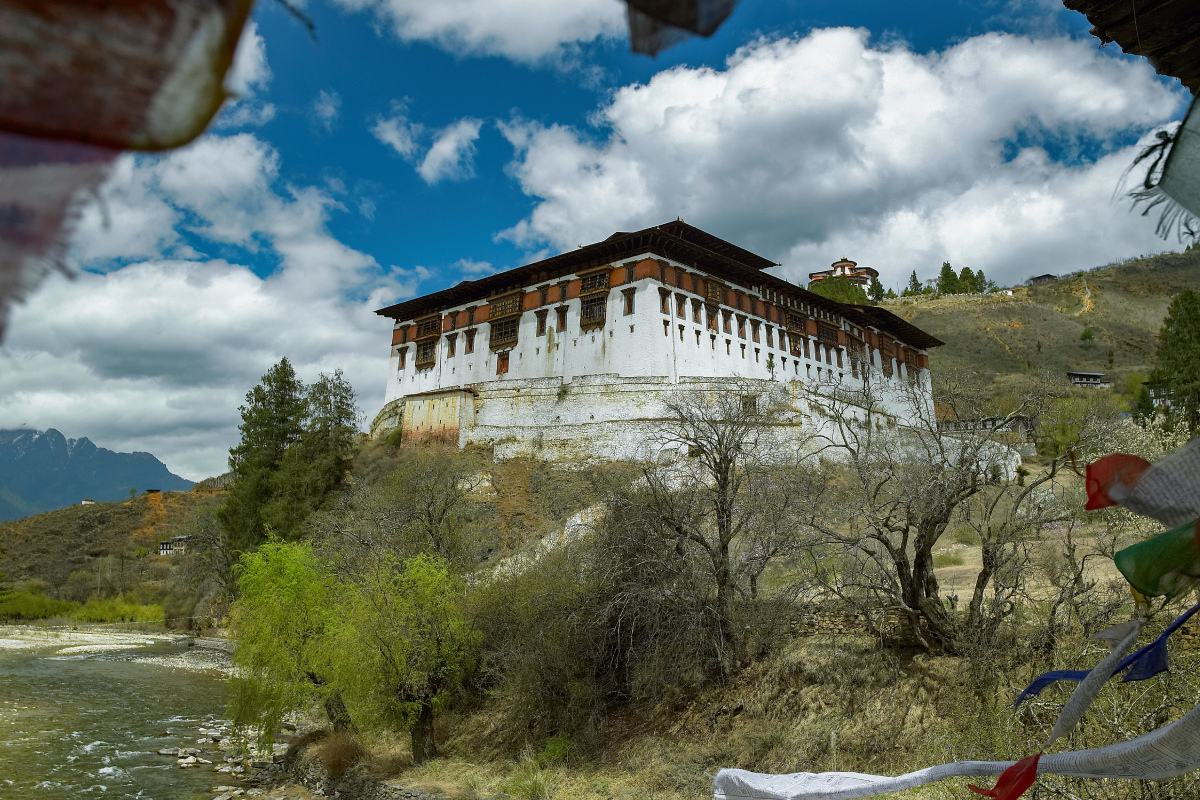
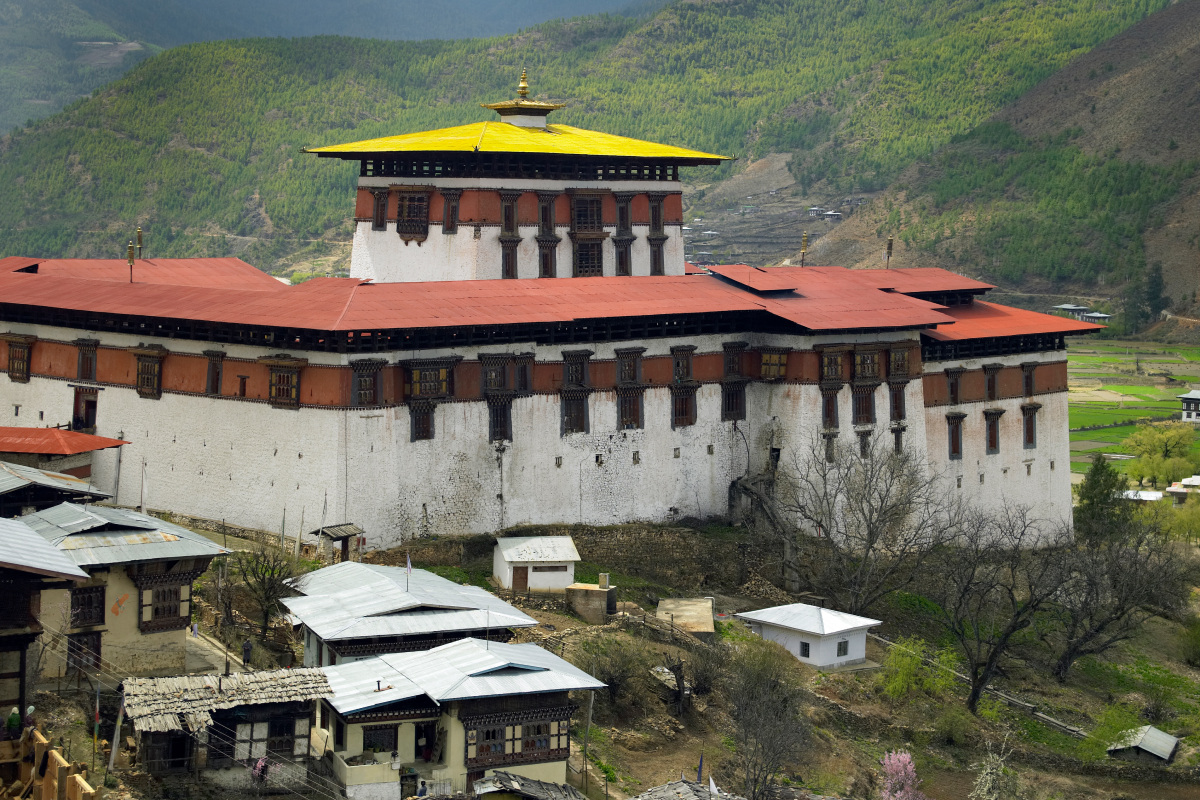
Explore Paro Valley: Rinpung Dzong, Kyichu Lhakhang, National Museum, and traditional Bhutanese farmhouses
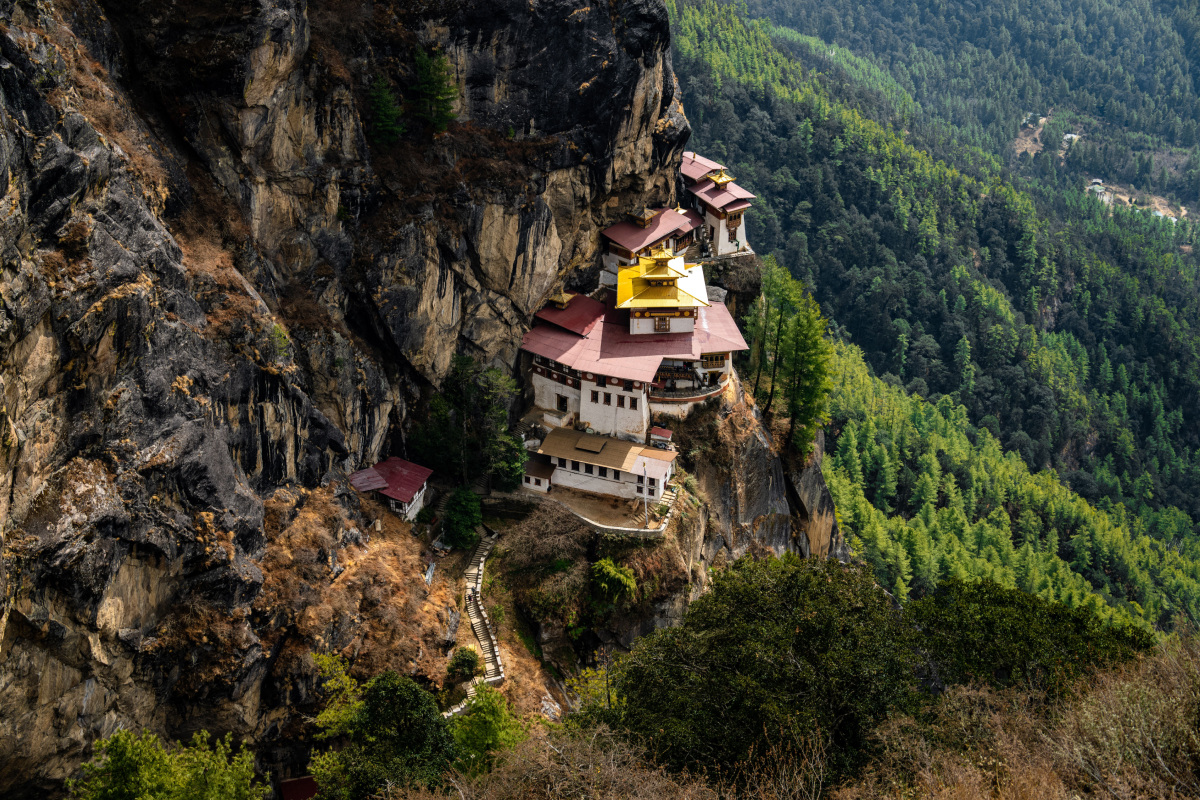
Hike to iconic Taktsang Monastery (Tiger’s Nest), perched dramatically on a cliff above Paro Valley
Enjoy authentic cultural experiences, including local crafts, traditional textiles, and Bhutanese cuisine
Itinerary
On arrival, proceed to immigration where you will present your Visa Approval Letter and Passport for the official stamp. As you clear the Immigration check, please make your way to the baggage delivery area and at the exit door of the airport you will meet your Guide who will accompany you throughout your stay in Bhutan.
Transfer to Thimphu. Once a rustic village sitting in a broad, fertile river valley, Thimphu is today the nation’s bustling capital. It is the center of government, religion and commerce with an interesting combination of tradition and modernity.
On arrival, check-in at the hotel.
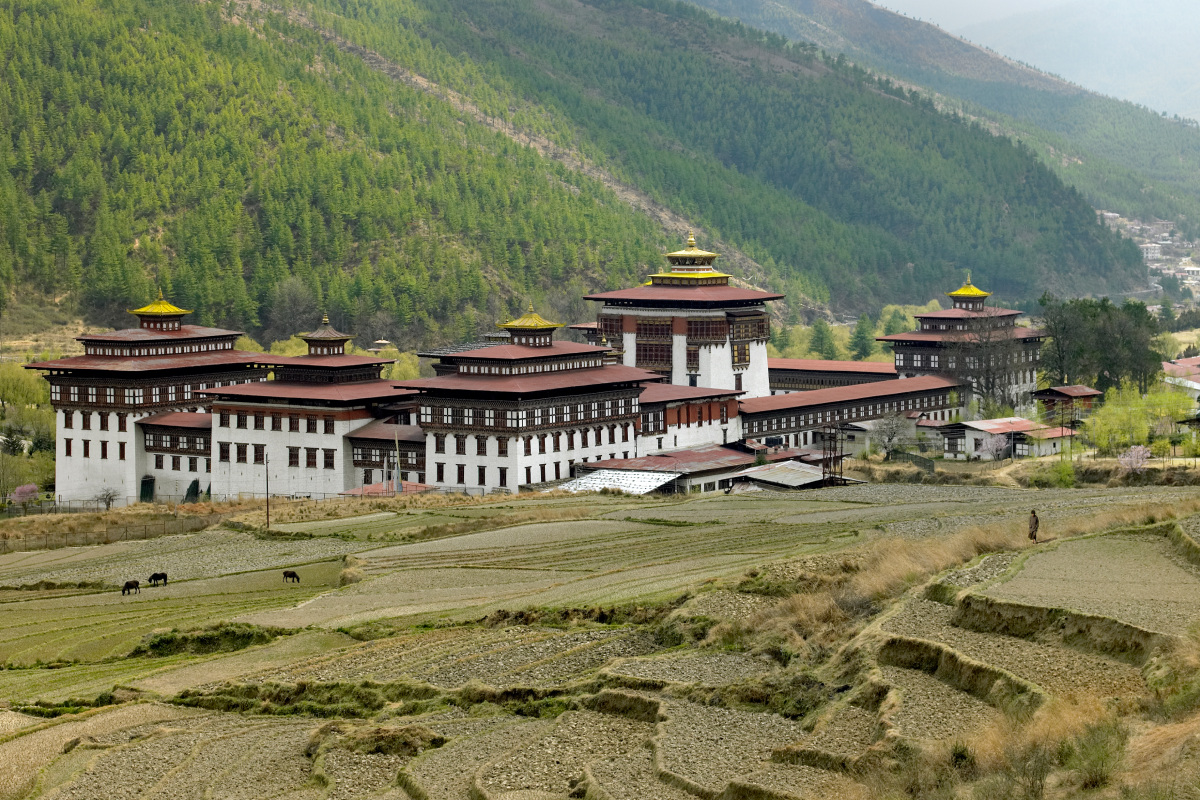
Afternoon free or time permitting, visit the impressive Trashicho Dzong/fortress which houses the throne room of the King and various government offices. It is also the summer residence of the Chief Abbot and the central monk body. If your visit falls on a working weekday, arrive in time to watch the hoisting of the National Flag and the March of the Guards. (Open: Mon-Fri [Mar-Oct after 5:30pm] [Nov-Feb after 4:30 pm] / Open on Sat, Sun, Govt. Holidays) (Overnight at Hotel in Thimphu)
National Library: The National Library was established in the late 1960s primarily to conserve the literary treasures which form a significant part of Bhutan’s cultural heritage. It now houses an extensive collection of Buddhist literature mostly in block-printed format, with some works several hundred years old. This collection, known as the Choekey Collection, mainly comprises Buddhist literature written in Choekey, the religious script of Northern Buddhism, but also includes works written in Tibetan and in Dzongkha, Bhutan’s national language. The library also displays the one of the biggest books in the world – “Bhutan” (a former Guinness Book of World’s Record holder). Besides its sheer size and weight, the continuously printed images (printed on a roll of paper longer than a football field and with a gallon of ink) are spectacular – vivid colors and human size portraits. (Closed Sat, Sun, Govt Holidays)
Zorig Chosum, (also known as the painting school) offers a six year course in the 13 traditional arts and crafts of Bhutan. The students follow a comprehensive course that starts with drawing and progresses through painting, woodcarving, embroidery and statue-making. This is a great opportunity to interact and photograph the students while they practice their skills in the classroom. (Closed on Sat 1pm, Sun, Govt. Holidays, School Break Jul, Jan-Feb).
Post Office, located in the heart of the town, is worth a visit. The first postage stamps were issued in 1962, the same time the first motorable road was opened. Ever since then Bhutan has been known for the unusual designs and materials of its stamps. At the post office, you can see the different stamps available in Bhutan. You can also make personalized stamps with your picture (extra charges) and send a post card to your family and friends with your face on the stamp. (Closed Sat at 1pm, Sun, Govt Holidays)
Buddha Dordenma statue sitting on top of a hill overlooking Thimphu. The Statue of Sakyamuni Buddha is one of the tallest in Asia (51.5 m). The site of Buddha Dordenma offers unobstructed views over the capital town. (Closes Daily Nov-Feb at 4pm & Mar-Oct at 5pm)
Gagyel Lhundrup Weaving Centre: Weaving is predominantly a woman’s domain but this private weaving center is different as it is owned and run by Mr. Kesang (a man – which is very rare in Bhutan). He weaves, creates new and unique patterns, comes up with unusual color combinations and is very involved. The center frequently produces ceremonial textiles for Bhutanese royals, including the traditional outfit for King Jigme Khesar Namgyel Wangchuck and Queen Jetsun Pema’s highly publicized October 2011 marriage. (Closing based on owner’s discretion, in such an event we will replace with another site)
Memorial Chorten, the building of this landmark was originally envisaged by Bhutan’s third king, His Majesty Jigme Dorji Wangchuck, who had wanted to erect a monument to world peace and prosperity. Completed in 1974 after his untimely death, it is both a memorial to the Late King (“the father of modern Bhutan”), and a monument dedicated to peace. During the mornings and evenings, it a bustling place where people of all ages circumambulate the chorten/stupa, pray and prostrate at the shrine, turn the big prayer wheels, offer butter lamps, bask in the sun as they socialize and mingle. (Closes Daily Nov-Feb at 4pm & Mar-Oct at 5pm)
In the evening, take a stroll along the town’s main street. (Overnight at Hotel in Thimphu)
From here, we descend down till we reach the village of Lobeysa/Mitsina. On arrival, visit Chhimi Lhakhang (temple), a 30-40 minute gradual walk through a village and paddy fields. Situated on a hillock below the village of Metshina, the temple is dedicated to Lama Drukpa Kuenley (also known as the Divine Madman). The temple is popular among women who have difficulties conceiving children.
Punakha is located in a sub-tropical valley with warm summers and pleasant winters. Punakha served as the capital of Bhutan until 1955, when the seat of government moved to Thimphu.
Later, visit Punakha Dzong, the Dzong built in 1637 by Shabdrung Ngawang Namgyal to serve as the religious and administrative center of the region. Damaged over the centuries by four catastrophic fires and an earthquake, the Dzong has been fully restored in recent years by the present monarch (Open 11am-1pm & 3pm-5 pm). (Overnight at Hotel in Punakha)
Sangchen Dorji Lhendrup Nunnery, perched on a ridge with spectacular views of the Punakha and Wangdue valleys. The temple houses a 14 foot bronze statue of Avalokiteshvara, one of the biggest in the country. The statue was handcrafted exclusively by local artisans. The temple houses a complex for higher studies and meditation center for nuns. Apart from religious trainings, the nuns are also provided skills such as embroidery, tailoring and statue making.
Explore the picturesque villages of Talo or Nobgang, the ancestral home of the Queen Mothers of Bhutan. The villages are scattered along a ridge above the Punakha valley at an altitude of around 2,800m and is known amongst Punakha villages for its neat and clean appearance. The women here are particularly known for their beauty.
Enjoy a packed picnic lunch among the pine trees (weather permitting).
Nalanda Monastery to visit the monks who are pursuing higher Buddhist studies and learning English as well. You may interact with the monks and chat with them. They will be more than happy to practice their English language skills with you. (Overnight at Hotel in Punakha)
Kyichu Lhakhang: This lhakhang, built in the 7th century, is one of the two oldest and most sacred shrines in Bhutan (the other being Jambey Lhakhang in Bumthang). Kyichu Lhakhang is composed of twin temples. The first temple was built by the Tibetan king, Songtsen Gampo in the 7th century. In 1968, H.M. Ashi Kesang, the Queen Mother of Bhutan, arranged for a second temple to be built alongside the first one, in same style.
Rest of the day at leisure or explore the quaint town. (Overnight at Hotel in Paro)
Then continue the walk from Chelela pass to the nunnery nestled in a craggy patch of rock on the mountainside below Chele-la pass. This is the serene home of Buddhist nuns who have dedicated their lives to spiritual fulfillment. They spend their days in religious studies, prayer and meditation. Bhutan has seven nunneries, of which Kila Gompa and Buchung Karma Nunnery in Punakha are the oldest. It was initially established in the early 9th century by Dupthob Chhoeje Norbu and Dupthob Temba as a meditation site. After the visit, walk down to the road head where your vehicle will be waiting.
Enjoy a packed picnic lunch among the pine trees (weather permitting).
Return to Paro. In the late afternoon, visit a traditional farmhouse for an opportunity to interact with a local family and learn something of their lifestyle. (Overnight at Hotel in Paro)
Balance of the day at leisure. (Overnight at Hotel in Paro)