


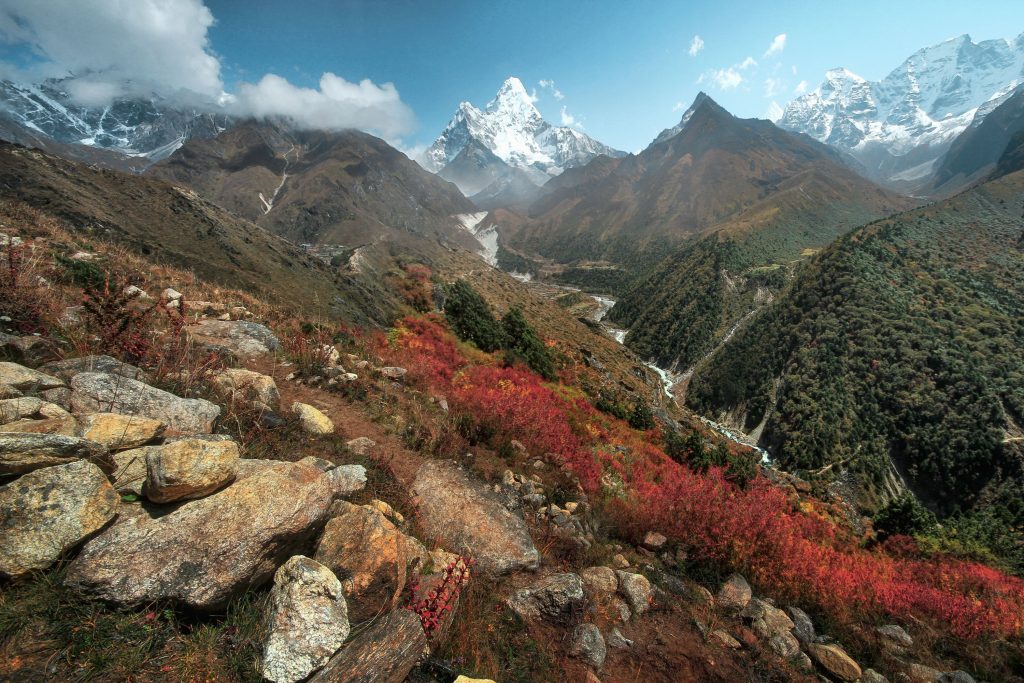
Nestled in the remote eastern Himalayas, Makalu Barun National Park is one of Nepal’s most spectacular yet least-explored protected areas. Home to the world’s fifth-highest mountain, Mount Makalu (8,485m), this remarkable destination offers a rare combination of towering Himalayan peaks, pristine forests, glacial valleys, rich cultural heritage, and extraordinary biodiversity. For travelers seeking authentic Eastern Nepal Trekking experiences, untouched wilderness, and unforgettable mountain adventures, Makalu Barun National Park remains one of Nepal’s best-kept secrets.
Unlike the more crowded Everest and Annapurna regions, Remote Trekking Nepal experiences in the Makalu region offer solitude, dramatic landscapes, and genuine interactions with local communities. Whether you’re planning the challenging Makalu Base Camp Trek, exploring the breathtaking Barun Valley, or searching for rare Nepal Wildlife, this hidden Himalayan paradise delivers an adventure unlike any other. This comprehensive guide covers everything you need to know about visiting Makalu Barun National Park, including its key attractions, trekking routes, permits, accommodation, wildlife, best seasons, and a detailed Makalu Trek Itinerary.
Overview of Makalu Barun National Park
Established in 1992, Makalu Barun National Park covers an area of approximately 1,500 square kilometers in eastern Nepal and serves as a vital conservation area protecting both Himalayan and subtropical ecosystems. The park stretches from around 435 meters above sea level in the Arun River Valley to the summit of Mount Makalu at 8,485 meters. This dramatic elevation range creates an extraordinary diversity of landscapes, climates, plants, and wildlife. The park is jointly managed by the Government of Nepal and local communities and forms part of the Sacred Himalayan Landscape, an internationally significant conservation region.
Why Visit Makalu Barun National Park?
Among all Nepal National Parks, Makalu Barun stands out for its incredible ecological diversity and pristine natural beauty. The park stretches from subtropical forests at just 435 meters above sea level to the summit of Mount Makalu at 8,485 meters, creating one of the most dramatic elevation gradients on Earth.
Visitors are rewarded with:
- Spectacular Himalayan mountain views
- One of the most remote trekking regions in Nepal
- Rich biodiversity and rare wildlife
- Traditional Sherpa, Rai, and Tibetan-influenced cultures
- Pristine forests and alpine meadows
- Fewer tourists than Everest or Annapurna
- A true wilderness experience
For those seeking authentic Adventure Travel Nepal experiences, few destinations can rival Makalu Barun National Park.
Key Attractions of Makalu Barun National Park
Mount Makalu: The Fifth Highest Mountain in the World
The centerpiece of Makalu Barun National Park is undoubtedly Mount Makalu, the world’s fifth-highest mountain. Its iconic pyramid-shaped summit dominates the skyline and provides one of the most dramatic mountain landscapes in the Himalayas.
First successfully climbed in 1955 by a French expedition, Mount Makalu remains one of the most technically challenging eight-thousanders in the world. While only experienced climbers attempt the summit, trekkers can enjoy magnificent views from Makalu Base Camp and surrounding high-altitude viewpoints.
Barun Valley
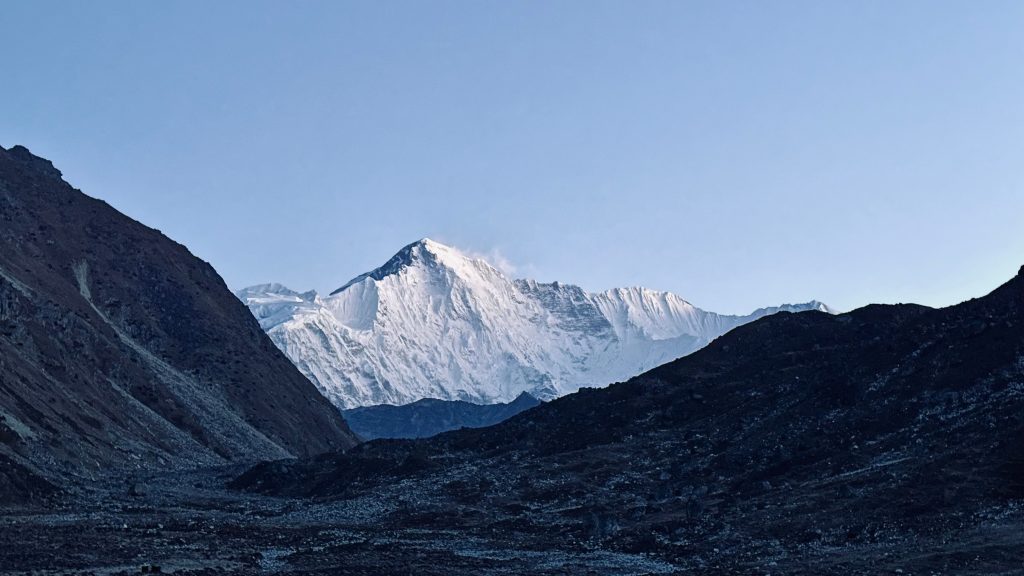
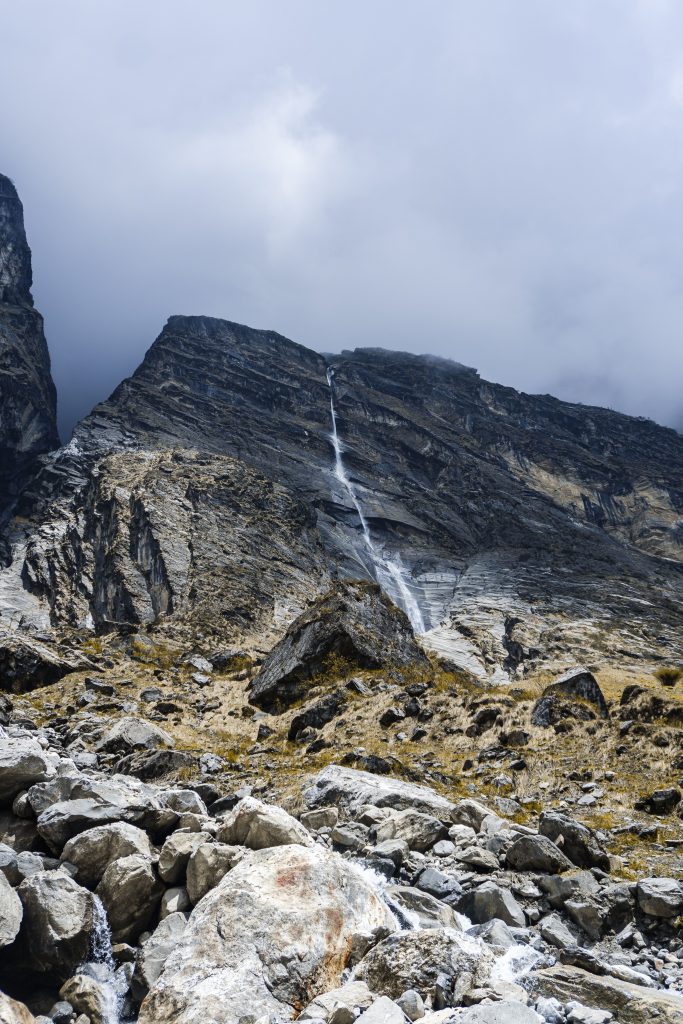
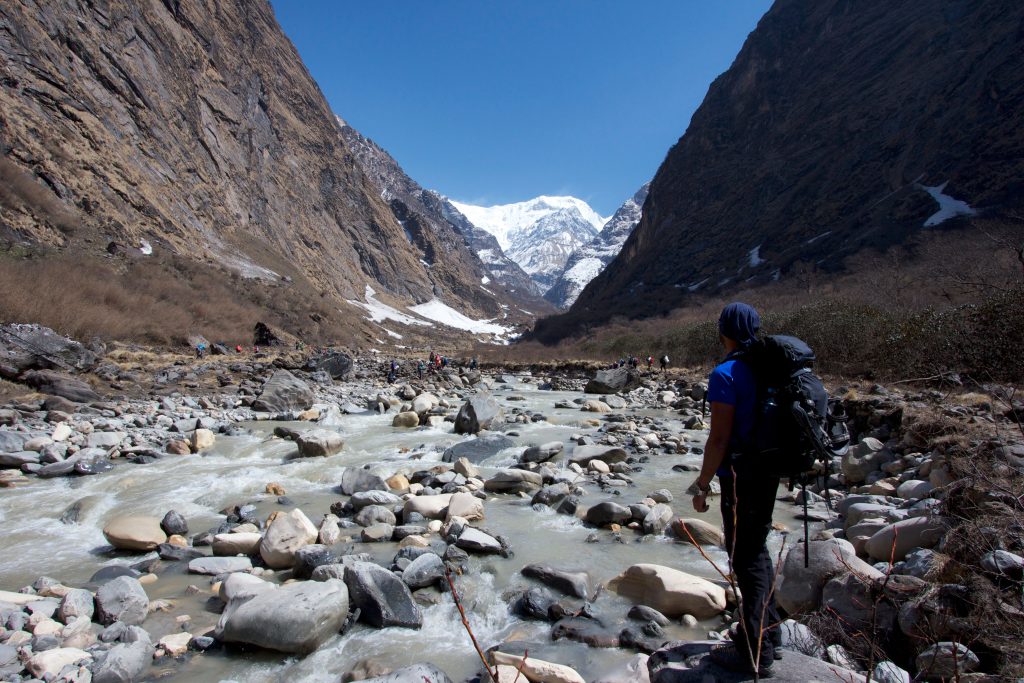
Widely regarded as one of the most beautiful valleys in the Himalayas, Barun Valley is a breathtaking wilderness renowned for its pristine natural beauty and remarkable biodiversity. The valley is characterized by crystal-clear glacial rivers, cascading waterfalls, vibrant alpine meadows, dense rhododendron forests, and unique geological formations that have been sculpted over thousands of years. Surrounded by towering Himalayan peaks, Barun Valley offers visitors an opportunity to experience some of Nepal’s most untouched landscapes. Due to its extraordinary ecological richness and diverse habitats, the valley is often referred to as a “living laboratory” by scientists and conservationists.
Makalu Base Camp
Situated at an elevation of approximately 4,870 meters, Makalu Base Camp is one of the most spectacular viewpoints in the eastern Himalayas. The base camp rewards trekkers with breathtaking panoramic views of Mount Makalu, the world’s fifth-highest mountain, along with neighboring peaks such as Chamlang, Baruntse, Peak 6, and Peak 7. Unlike the more crowded Everest Base Camp, Makalu Base Camp offers a peaceful and immersive mountain experience, allowing visitors to enjoy these magnificent Himalayan vistas in relative solitude while surrounded by some of Nepal’s most dramatic alpine scenery.
Arun River Valley
The Arun River Valley is one of Nepal’s deepest and most impressive river gorges, cutting through the rugged landscapes of eastern Nepal. The valley is known for its dramatic terrain, lush forests, terraced farmlands, and picturesque villages that provide authentic cultural encounters with local communities. As trekkers journey through the valley, they are treated to a fascinating blend of natural beauty and traditional rural life, making it an integral part of the Makalu Barun experience.
Shipton La Pass
Named after the renowned British explorer Eric Shipton, Shipton La Pass is one of the most rewarding highlights of the Makalu region. This high-altitude mountain pass offers spectacular panoramic views of the surrounding Himalayan peaks, glaciers, and rugged alpine landscapes. Crossing Shipton La is both a physical challenge and a memorable achievement for trekkers, providing some of the most stunning mountain scenery found along the Makalu Base Camp Trek.
Wildlife and Biodiversity
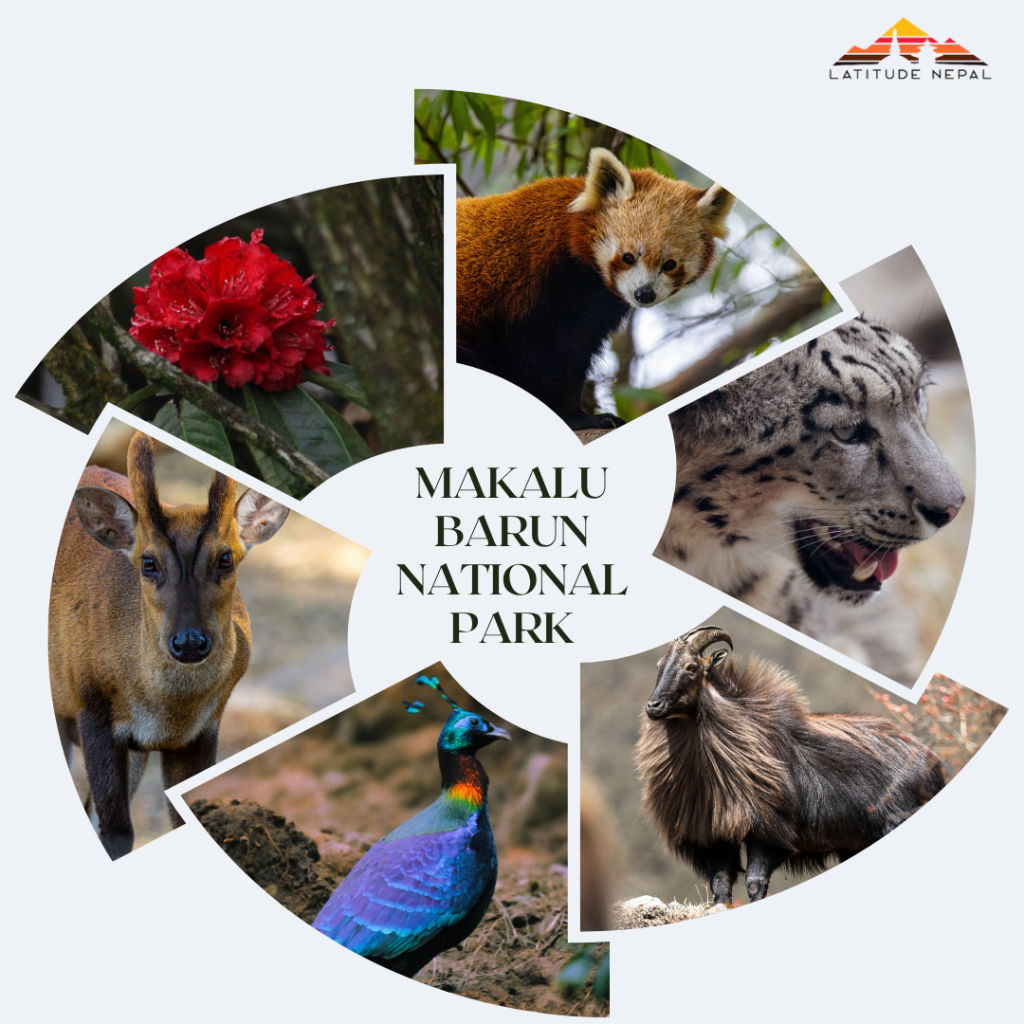
Makalu Barun National Park is one of the most biologically diverse protected areas in Nepal. It is home to a wide range of mammals, including the snow leopard, red panda, Himalayan black bear, clouded leopard, musk deer, Himalayan tahr, wild boar, and barking deer. The park is also a paradise for bird enthusiasts, with over 440 species recorded, such as the Impeyan Pheasant (Danphe), Blood Pheasant, Himalayan Monal, and Satyr Tragopan, along with various eagles and other raptors. In addition to its rich fauna, the park protects more than 3,000 species of flowering plants, including vibrant rhododendrons, Himalayan orchids, juniper forests, alpine wildflowers, and a variety of rare medicinal herbs, making it a true ecological treasure of the Himalayas.
Best Time to Visit
Spring (March – May)
Spring is considered one of the best seasons to visit.
Highlights:
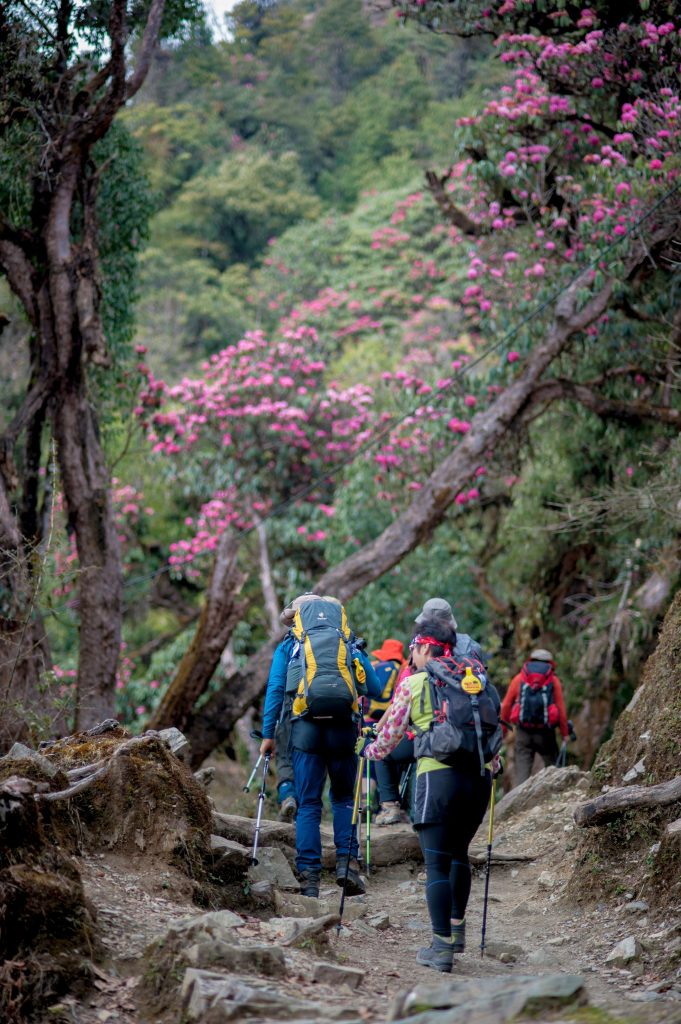
- Rhododendron blooms
- Clear mountain views
- Pleasant trekking temperatures
- Excellent wildlife activity
Autumn (September – November)
Autumn offers:
- Stable weather
- Crystal-clear Himalayan views
- Dry trekking trails
- Comfortable temperatures
Winter (December – February)
Suitable for experienced trekkers only.
Challenges:
- Snow-covered passes
- Extremely cold temperatures
- Limited lodge availability
Monsoon (June – August)
Generally not recommended due to:
- Heavy rainfall
- Landslides
- Leech-infested trails
- Poor visibility
Entry Permits and Fees
Visitors to Makalu Barun National Park are required to obtain an entry permit before entering the area. The permit fees vary by nationality, with foreign nationals paying NPR 3,000 per person, SAARC nationals paying NPR 1,500 per person, and Nepali citizens paying NPR 100 per person. In addition to the entry permit, trekkers may also need a TIMS (Trekkers’ Information Management System) card, depending on the current trekking regulations and the specific route being followed, so it is important to confirm its requirement before beginning the journey. Since permit rules and fees can change from time to time, visitors are strongly advised to verify the latest information with local authorities or a licensed trekking agency prior to travel.
How to Reach Makalu Barun National Park
Option 1: Via Tumlingtar (Most Popular Route)
Kathmandu → Tumlingtar → Num
- Flight from Kathmandu to Tumlingtar (approximately 45–50 minutes)
- Drive from Tumlingtar to Num (5–7 hours)
Num serves as the main gateway to the Makalu region.
Option 2: Overland Route
Travelers may also reach Tumlingtar by road from Kathmandu, although the journey can take 14–18 hours depending on road conditions.
Suggested Day-Wise Itinerary for Makalu Base Camp Trekking
Day 1: Fly from Kathmandu to Tumlingtar and drive to Num.
Day 2: Trek from Num to Seduwa.
Day 3: Trek from Seduwa to Tashigaon.
Day 4: Trek from Tashigaon to Khongma Danda.
Day 5: Khongma Danda to Dobato
Day 6: Dobato to Yangle Kharka
Day 7: Acclimatization Day
Day 8: Yangle Kharka- Shiva Dhara- Yangle Kharka
Day 9: Yangle Kharka- Langmalae Kharka (6-7 hours)
Day 10: Langmale Kharka- Makalu Base Camp (5-6 hours)
Day 11: Explore Makalu Base Camp
Day 12: Makalu Base Camp- Yangle Kharka
Day 13: Yangle Kharka- Dobato
Day 14: Dobato- Khongma Danda
Day 15: Khongma Danda- Seduwa
Day 16: Seduwa- Tumlingtar
Day 17: Tumlingtar- Kathmandu
Essential Travel Tips for Remote Trekking Nepal
Before embarking on your Makalu adventure, keep the following considerations in mind:
Physical Fitness
The Makalu region is significantly more demanding than many popular trekking routes in Nepal. Proper preparation is essential.
Accommodation
Basic tea houses are available throughout most trekking routes, though facilities are more limited compared to Everest and Annapurna.
Communication
Mobile coverage is intermittent, particularly at higher elevations.
Travel Insurance
Comprehensive insurance that covers high-altitude trekking and helicopter evacuation is strongly recommended.
Local Guides
Hiring an experienced guide enhances safety and provides valuable cultural and environmental insights.
For travelers seeking an authentic Himalayan adventure away from the crowds, Makalu Barun National Park offers one of the finest trekking experiences in Nepal. From the towering heights of Mount Makalu and the breathtaking beauty of Barun Valley to the unforgettable Makalu Base Camp Trek, this hidden corner of the Himalayas showcases the very best of Eastern Nepal Trekking.
Rich in biodiversity, culture, and dramatic mountain scenery, Makalu Barun stands among the most remarkable Nepal National Parks and remains a premier destination for Adventure Travel Nepal. Whether you’re drawn by the allure of rare Nepal Wildlife, the challenge of Remote Trekking Nepal, or the dream of standing beneath one of the world’s highest peaks, Makalu Barun National Park promises an unforgettable journey into Nepal’s last great wilderness.
Related Blogs

